Devalia Safari Park is where many travellers have their first, unhurried look at an Asiatic lion. It runs two kinds of safari on the same circuit — an open Gypsy and a covered bus — and the right choice depends on who you are travelling with and what you want from the drive. This guide compares the two honestly, explains how the timings and permits work, and shows where Devalia fits alongside the main Gir jungle trail.
What is Devalia Safari Park?
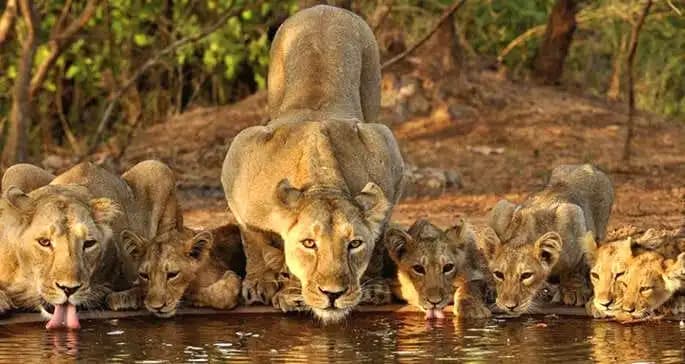
Devalia Safari Park — also called the Gir Interpretation Zone — is a fenced area of a little over 400 hectares inside the wider Gir landscape. It was created to give visitors a reliable, educational view of the Gir ecosystem while easing pressure on the main sanctuary.
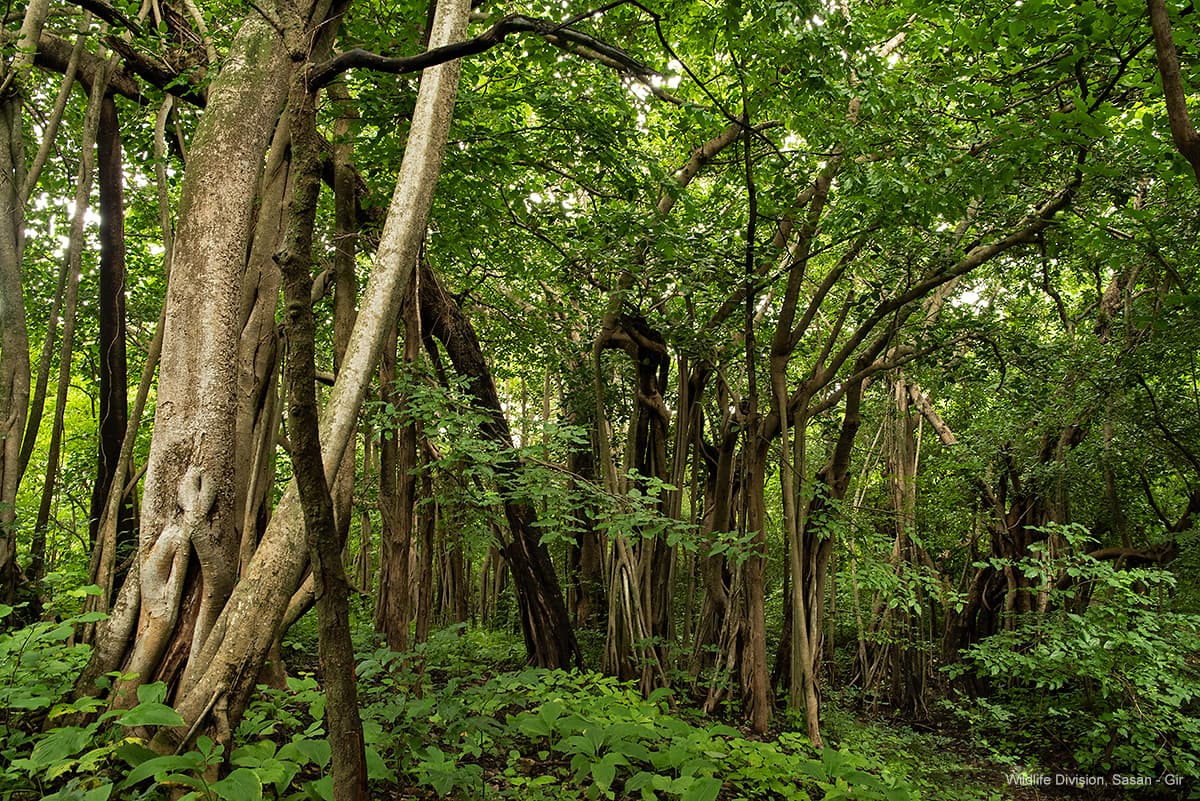
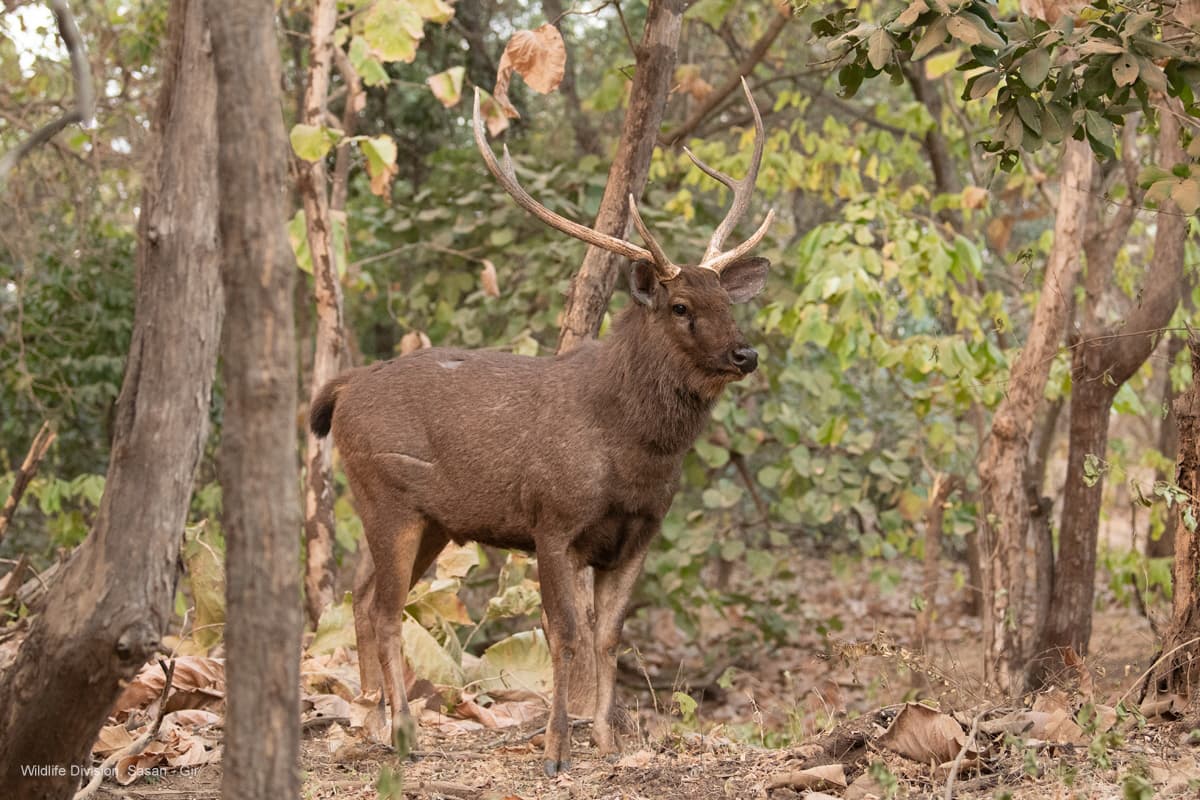
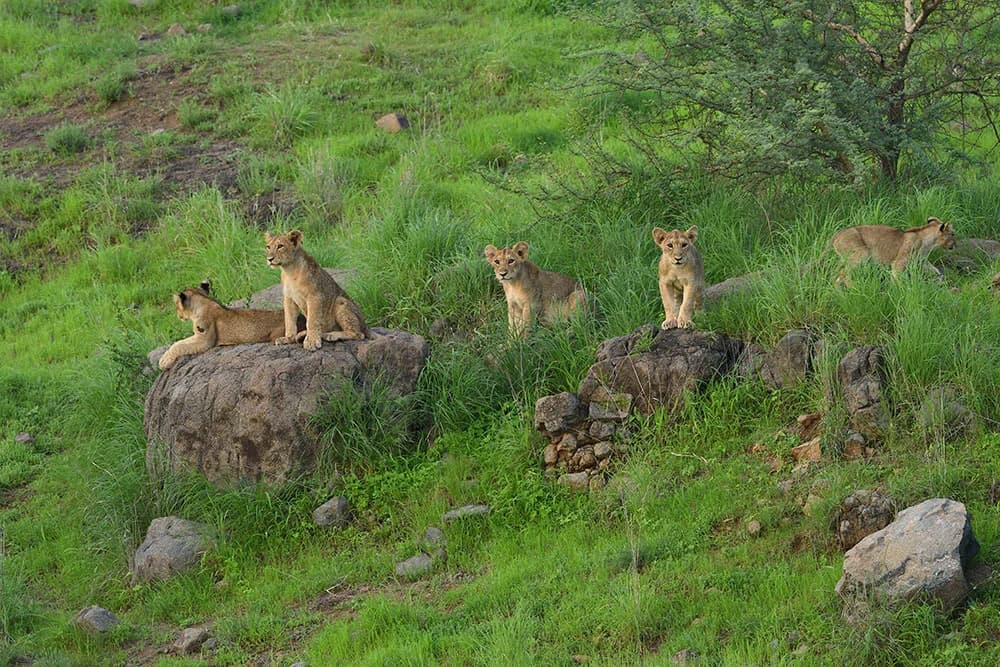
Inside the fence the habitat is natural: dry deciduous forest, scrub, grassy clearings, rocky slopes and water points. Lions, leopards, deer, antelope and many birds live here and behave as they would in the wild. The difference is simply that the area is compact, so animals are easier to find than in the open forest.
Think of Devalia as the bridge between a zoo and the jungle trail. There are no cages — you drive through real habitat — but it is also more predictable than the open forest, where hours can pass between sightings.
How a Devalia safari works
You report at the Devalia entry gate with your permit and the original photo IDs of everyone named on it. After a quick check, you are directed to your vehicle — either a Gypsy with a driver and guide, or a park bus with a guide on board.
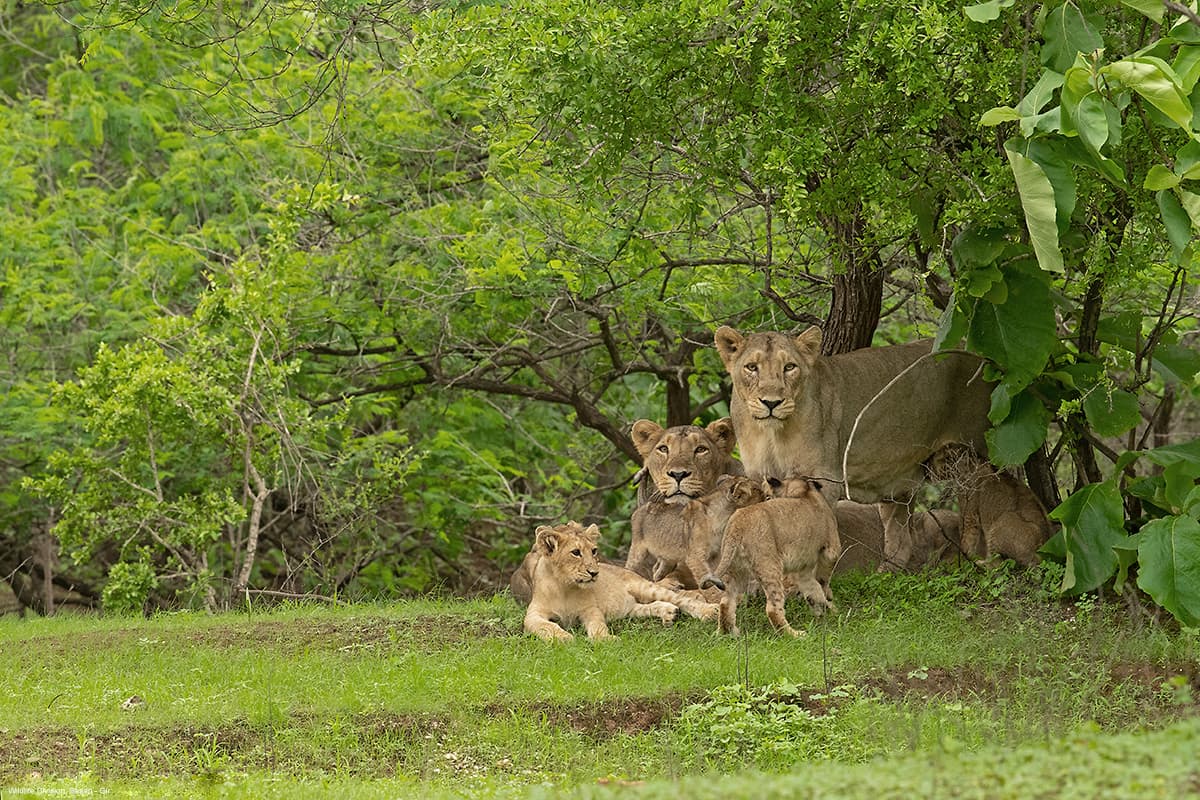
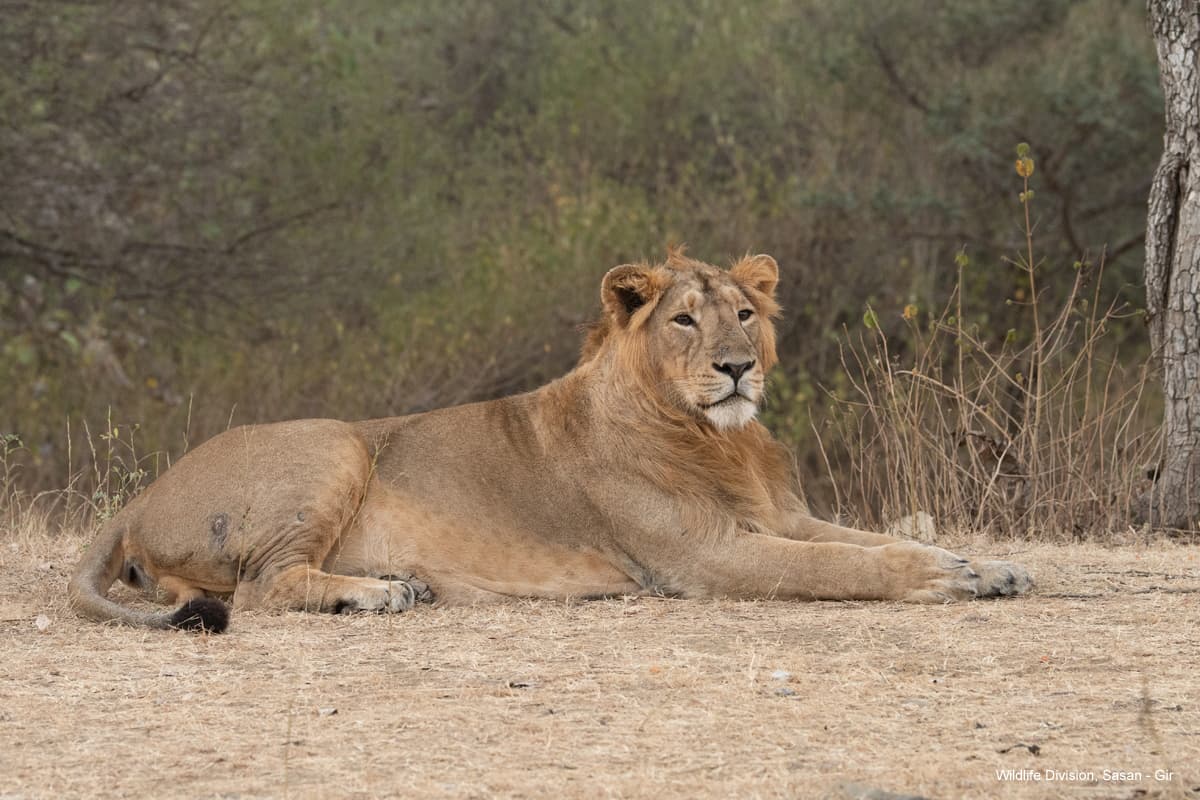
Both vehicles follow a fixed circuit through the park. Along the way the driver slows or stops wherever animals are seen, and the guide explains what you are looking at. Lions are often found resting under trees, near water or walking along the tracks.
The drive itself is short — usually under an hour in a Gypsy and a little longer by bus once boarding and waiting are included. With reporting time and formalities, keep about one and a half to two hours free.
The Devalia Gypsy safari: open, small and flexible
The Gypsy is the choice for travellers who want Devalia to feel like a real safari. It is an open 4x4 with a driver and guide, carrying a small group of travellers.
- Nothing between you and the forest. Open sides and roof mean better views, and you hear alarm calls and smell the dry leaves.
- A small group. Everyone gets a clear view when a lion is spotted, instead of craning past a busload of people.
- Better angles. A Gypsy sits lower and can position more flexibly than a bus, which makes a real difference for eye-level photographs.
- A guide close at hand to point out tracks, birds and behaviour you would otherwise miss.
The trade-off is cost and comfort: you pay for the vehicle rather than a single seat, and there is no shade or cover.
The Devalia bus safari: covered, simple and economical
The bus is a larger covered vehicle run by the park on the same circuit as the Gypsies. It is the easy, budget-friendly way to see Devalia.
- Comfortable for all ages. Proper seats, a roof and easy steps make it suitable for young children, grandparents and anyone who finds a Gypsy too bumpy.
- Shade and shelter from the summer sun and the occasional monsoon shower.
- Economical for families, since you pay per seat rather than hiring a whole vehicle.
The downside is the view. Windows and other passengers can get in the way, the bus cannot position as closely, and photography is harder. You will still see the same animals — you just see them from a little further away.
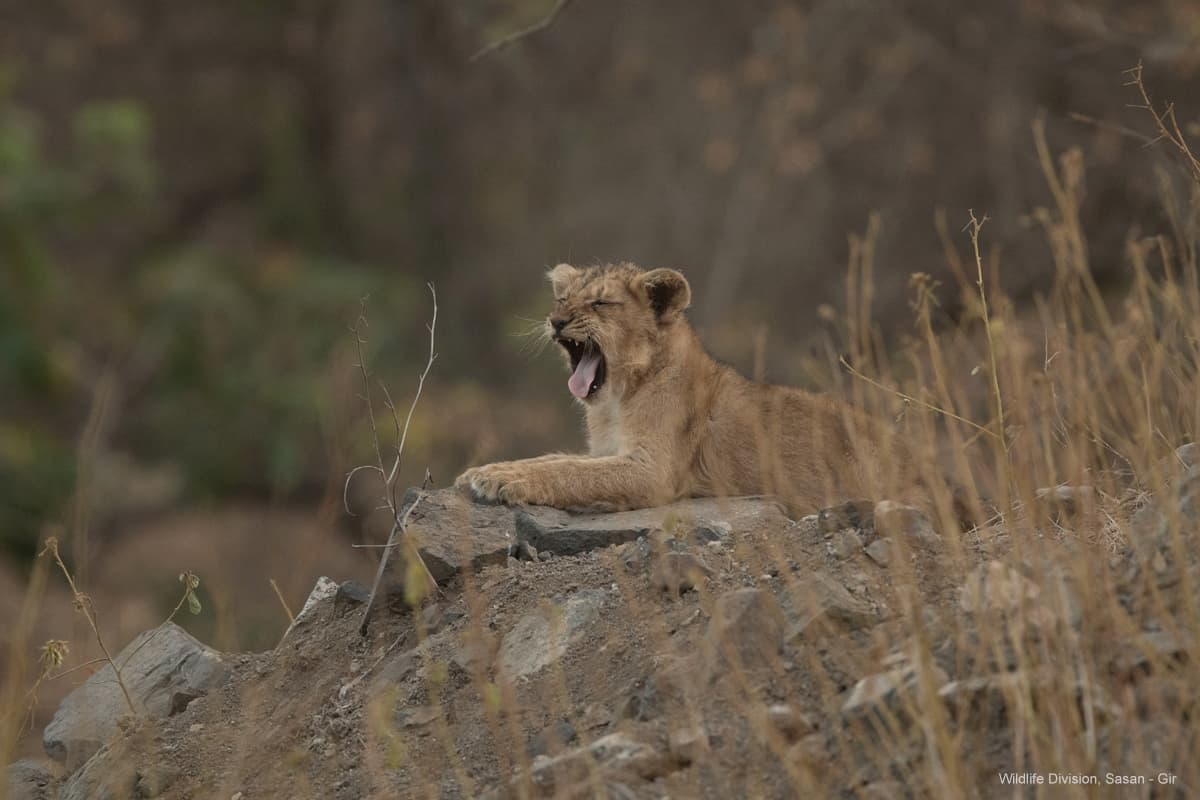
Gypsy vs bus at a glance
- Vehicle: Gypsy — open 4x4; bus — covered park bus.
- Group: Gypsy — a few travellers per vehicle; bus — a full busload.
- Views: Gypsy — clear, all around; bus — through windows, depending on your seat.
- Photography: Gypsy — excellent; bus — limited.
- Comfort: Gypsy — bumpy and exposed; bus — seated and shaded.
- Cost: Gypsy — higher, paid per vehicle; bus — lower, paid per person.
- Chance of seeing lions: similar — both use the same circuit.
- Best for: Gypsy — photographers, couples and small groups; bus — families with small children, seniors and budget travellers.
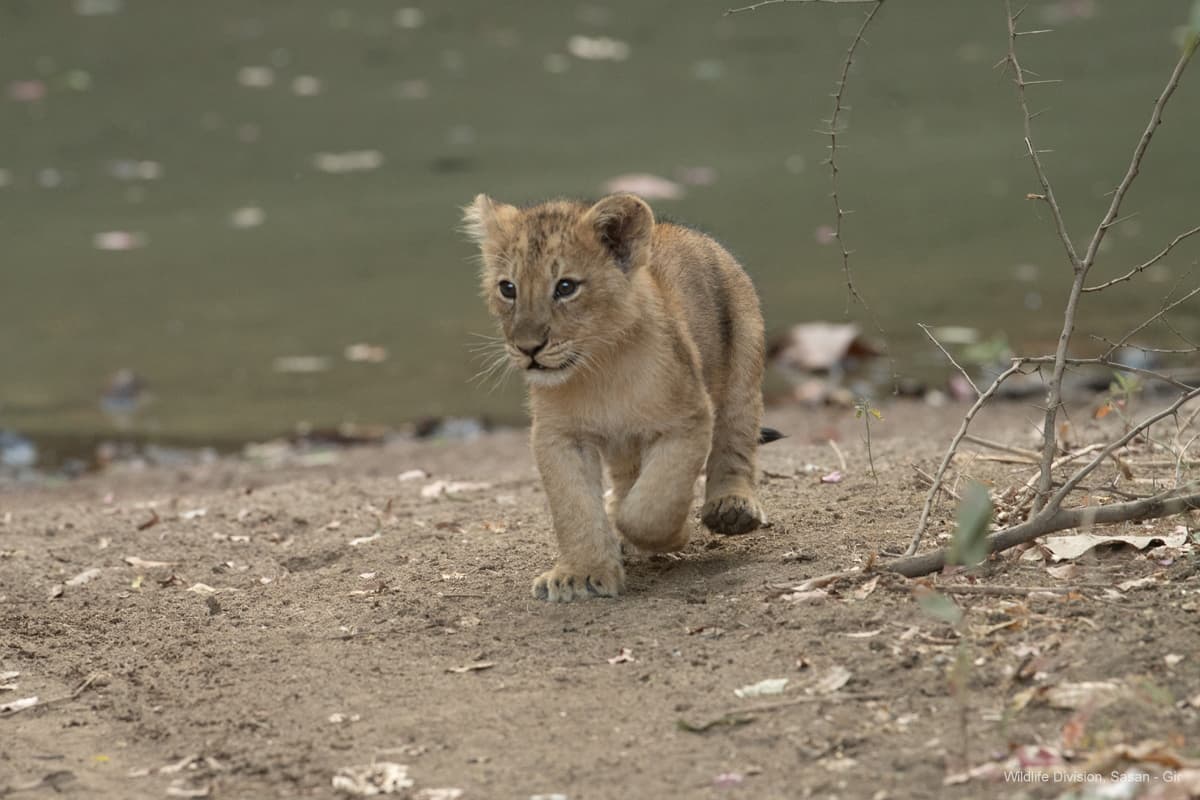
Which Devalia safari suits you?
Choose the Gypsy if you are a photographer, a wildlife enthusiast, a couple or a small group of friends, or if this is your only safari in Gir and you want the full open-vehicle experience.
Choose the bus if you are travelling with very young children or older parents, if anyone in the group has back or knee problems, if you are visiting in the heat of May or the rain of July, or if you simply want to see the lions without spending much.
Split the group if you have both. Many large families send the keen photographers in a Gypsy while the rest take the bus — everyone sees the same animals and meets at the gate afterwards.
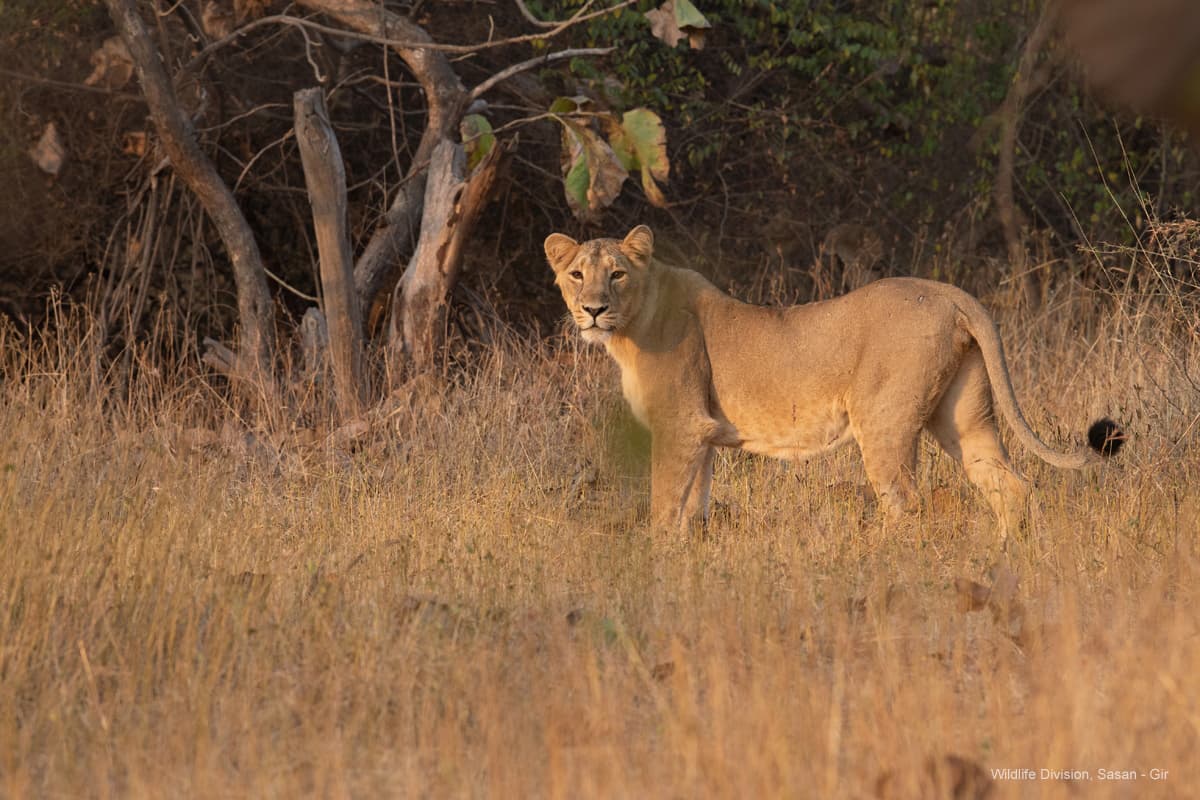
Why photographers prefer the Gypsy
Devalia is one of the best places in Gujarat to photograph Asiatic lions, and the Gypsy is what makes that possible. Shooting from an open vehicle at a lower height gives natural, eye-level images, and the driver can stop at an angle that keeps branches and fences out of your frame.
Choose the first slot of the morning or the last of the afternoon for warm, low light. A 100–400 mm zoom is ideal, and a bean bag on the side bar keeps the camera steady. Professional camera charges, where they apply, are paid at the reception.
From the bus you can still take good pictures with a phone or zoom camera — a window seat on the side the guide is pointing to helps — but serious photographers will be frustrated.
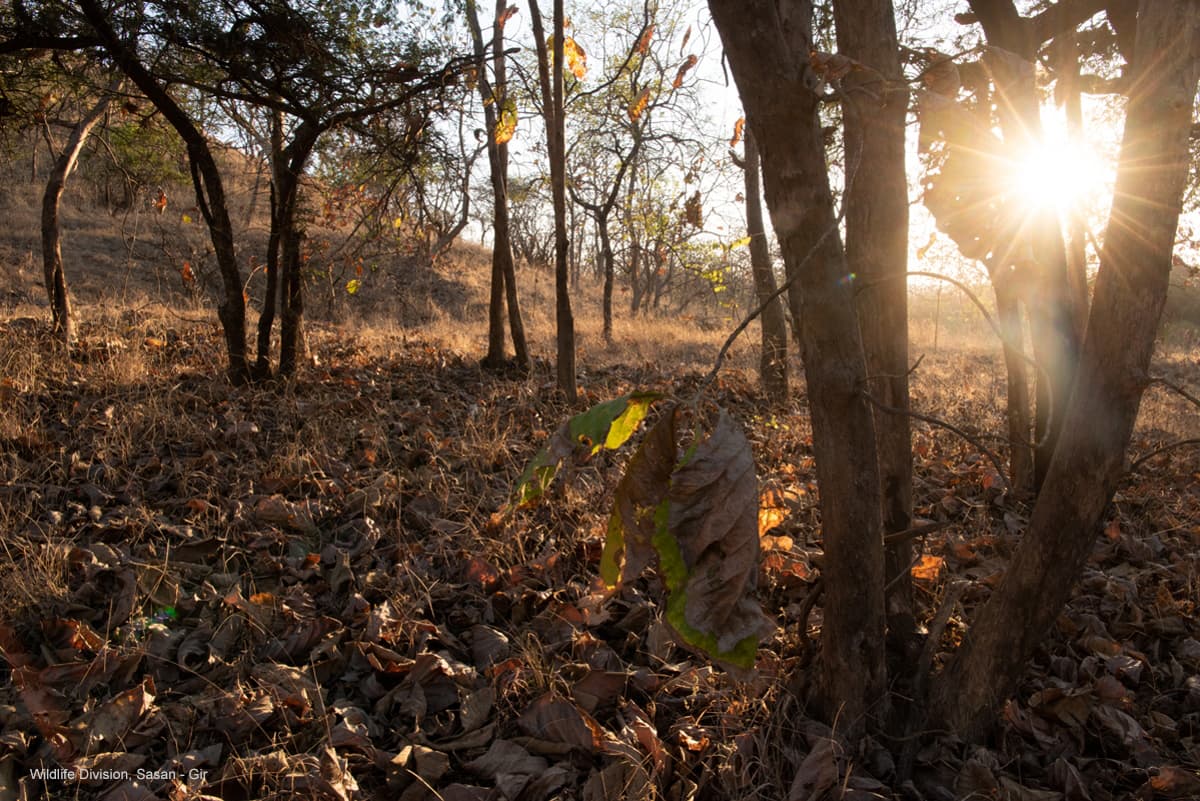
Devalia safari timings and slots
Devalia runs in the morning and late afternoon, with a break in the middle of the day when animals rest. Gypsy slots run roughly every hour within those windows, while bus departures are fewer and longer.
Timings shift with the season. In winter, the first Gypsy slot usually starts around 7 am; in summer, around 6:30 am, with afternoon slots running later into the evening. Bus departures follow a similar pattern. Because these times change, always go by the time printed on your permit and arrive at least 15 to 30 minutes early.
Devalia also has a weekly closing day, and it can close at short notice for festivals or forest work, so confirm before you travel.
Best time of year for Devalia
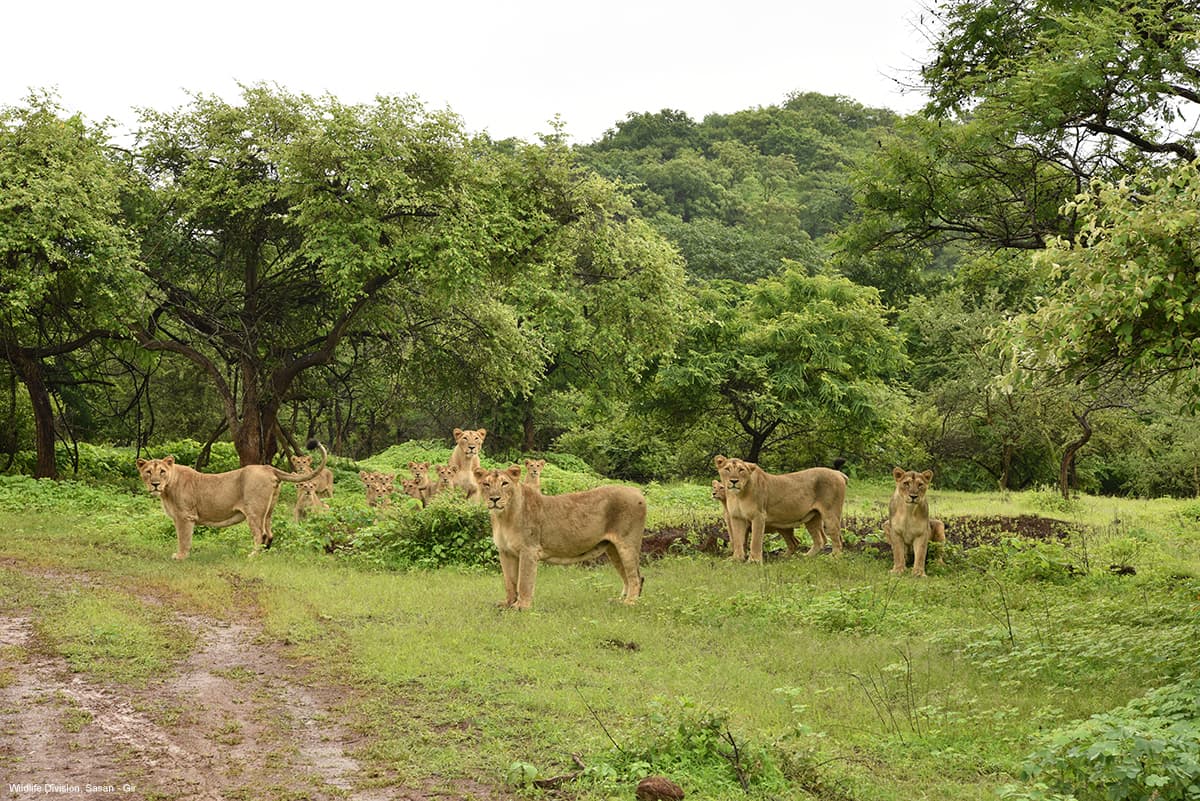
October to February is the most comfortable time, with cool mornings and pleasant afternoons. It is also the busiest, so book early for weekends and school holidays.
March to June is hot, but animals gather near water and the thinner vegetation makes them easy to spot. Choose the earliest or latest slots, and the bus is a sensible option for anyone who struggles in the heat.
During the monsoon, when the Gir jungle trail is closed, Devalia is the main way to see Gir’s lions. The forest is lush and beautiful, but expect occasional rain, muddy tracks and short closures after very heavy downpours.
Wildlife you can see at Devalia
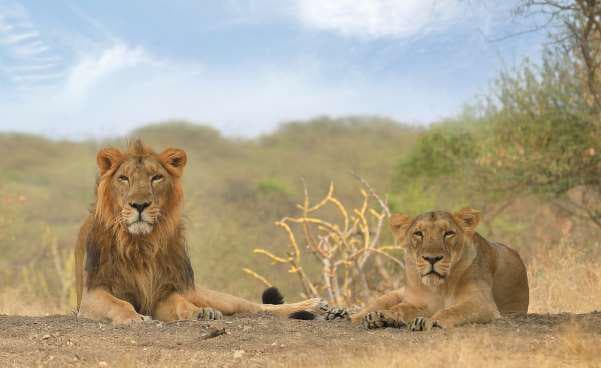
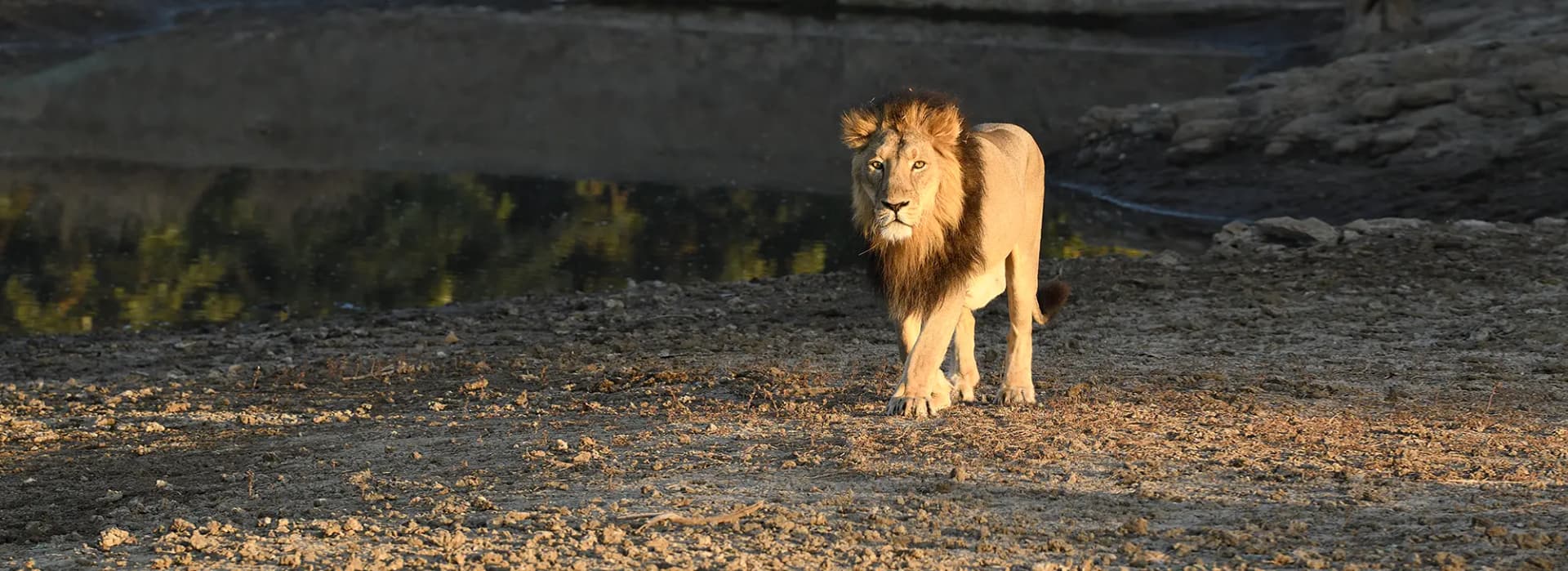
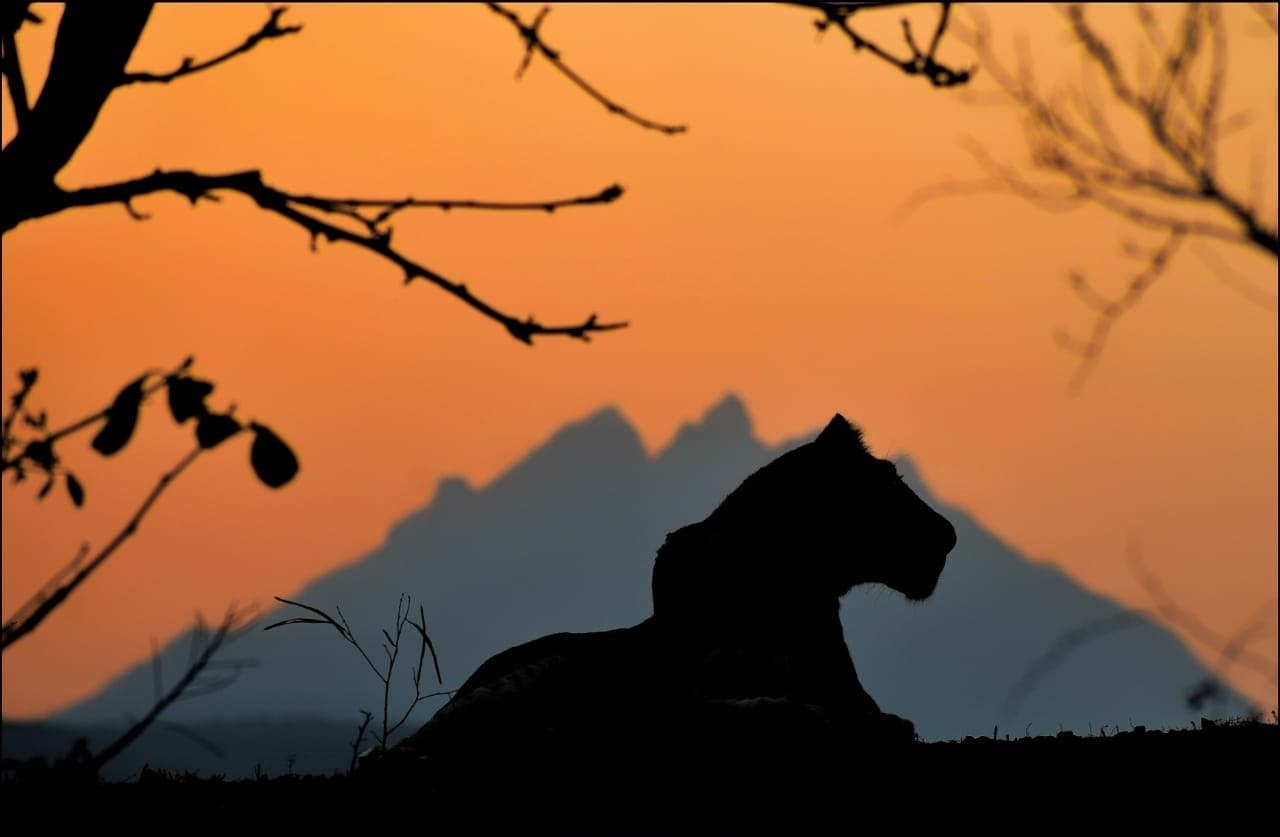
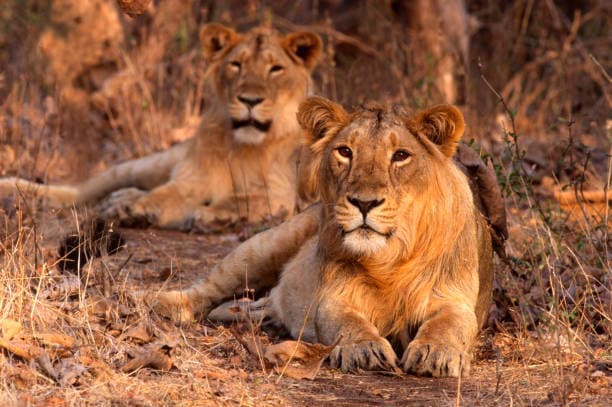
Asiatic lions are the main attraction, and most visitors see them — a pride resting under a tree, a lioness walking along the track or a male stretched out near water. No wild experience can be guaranteed, but the compact area gives you good odds.
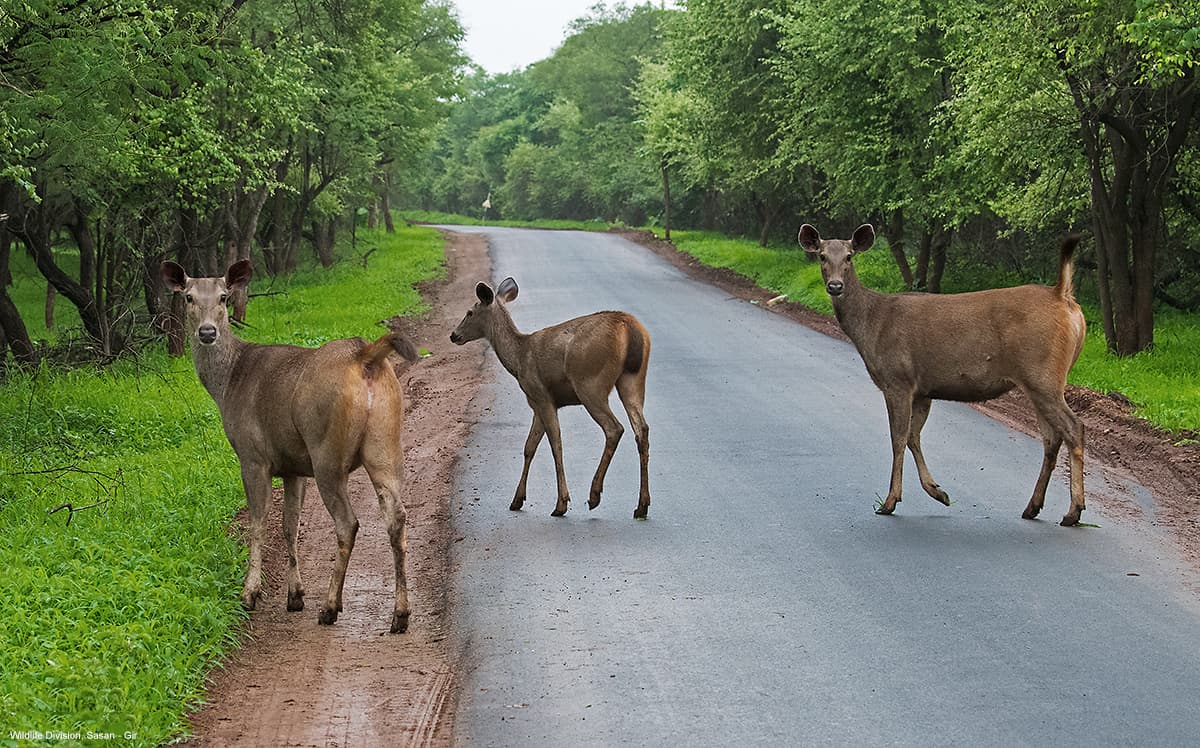
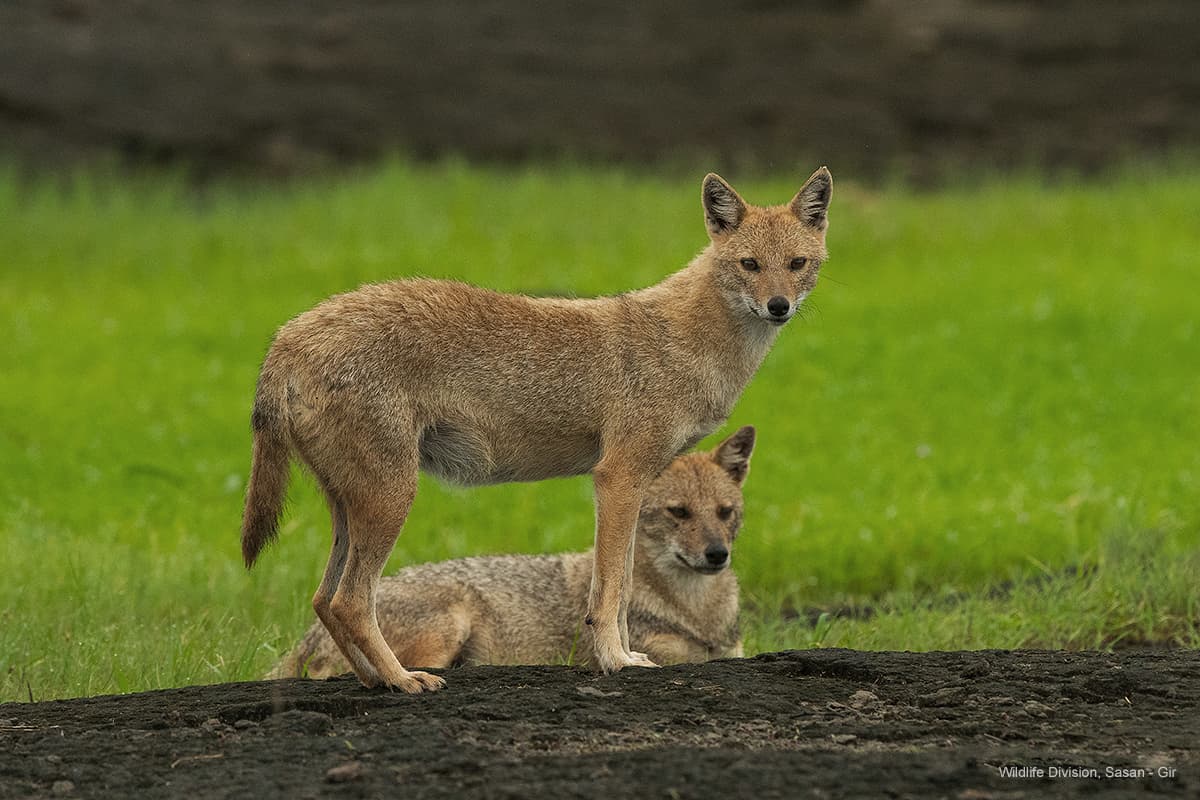
Leopards also live in Devalia but are shy and well camouflaged, so a sighting is a bonus. You are likely to see spotted deer, sambar and nilgai, along with golden jackals, wild boar and, occasionally, a striped hyena.
Look out for mugger crocodiles and turtles near the water, and for monitor lizards sunning themselves on rocks in the warmer months.
Birds of Devalia
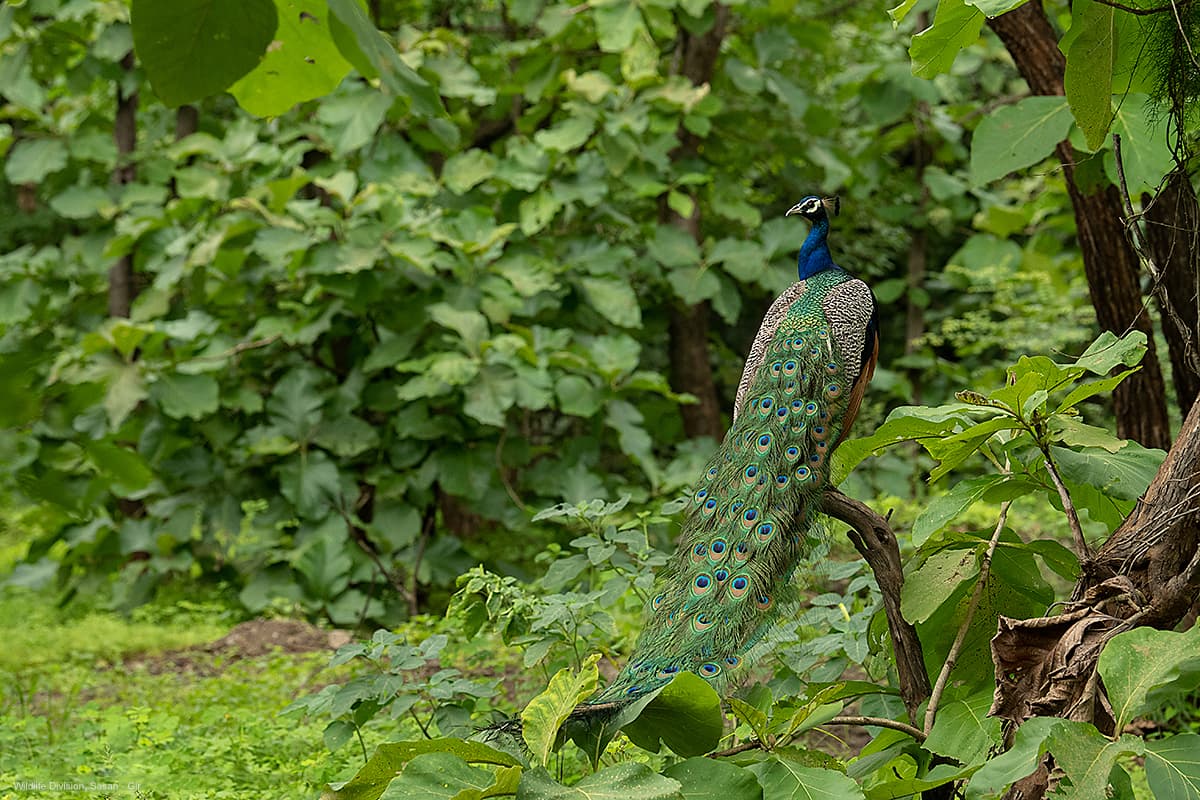
Devalia is a rewarding spot for birdwatchers, especially from a Gypsy where you can stop and listen. Indian peafowl are common and most striking during the monsoon display season. Grey francolins call from the scrub, and raptors such as the crested serpent eagle and shikra perch on dead branches.
Around the water you may see painted storks, herons, egrets and kingfishers, and in the wooded patches look for Indian paradise flycatchers, orioles and woodpeckers. Vultures are seen in the wider Gir landscape. Carry binoculars — even on the bus they make a big difference.
Booking a Devalia safari: permits and IDs
Both the Gypsy and the bus need a permit with the details of every traveller — full name, age, nationality and photo ID number. Permits are valid only for the date and slot printed on them and are generally non-refundable, so check your plans before booking.
Pre-booking is strongly recommended. Spot availability at the gate is not reliable, and on weekends, Diwali and the winter holidays, slots sell out days or weeks in advance. On the day, every traveller must carry the original photo ID used for the booking — Aadhaar, passport, driving licence or voter ID for Indian citizens, and a passport for foreign nationals.
What to wear and carry
- Original photo ID for every traveller on the permit, plus a copy of the permit on your phone.
- Earth-coloured clothes — olive, khaki, brown or beige. Bright colours and strong perfume are best avoided.
- A cap, sunglasses and sunscreen, especially in a Gypsy between March and June.
- A light jacket for winter mornings, when the open Gypsy can feel cold.
- Water — but no snacks during the drive, and nothing should be thrown out of the vehicle.
- Binoculars and a zoom lens if you have them.
- A light rain jacket during the monsoon months.
Reaching Devalia and reporting on time
Devalia is about a 20 to 25 minute drive from Sasan village. Most hotels in Sasan can arrange a taxi or tell your driver the way, and there is parking near the entry gate. If you are coming from Somnath or Junagadh, allow an hour or more and add a buffer for traffic.
Plan to reach the gate 15 to 30 minutes before your slot. ID checks, boarding and the briefing take time, and late arrivals may lose their slot without a refund. Use the toilets near the gate before you board, as there are no stops during the drive.
After your drive, there is time for a tea at the stalls outside before heading back to Sasan or on to your next stop.
Devalia with children
Devalia is one of the best wildlife outings in India for children. The drive is short enough to hold their attention, the chance of seeing lions is good, and the bus is comfortable for toddlers on a parent’s lap.
Include every child’s name and age when booking so they are on the permit. Carry water, a light snack for after the drive and a cap. In an open Gypsy, keep small children seated and holding on, and explain beforehand that everyone needs to be quiet near the animals — children are usually wonderfully good at this once they see their first lion.
Devalia vs the Gir jungle trail
The Gir jungle trail is a three-hour Gypsy drive through the open, unfenced sanctuary. It is wilder and less predictable — you may spend an hour tracking a pride, or see several in quick succession. For many travellers, that uncertainty is exactly the appeal.
Devalia is shorter, more predictable and easier for everyone. It is the better choice if you have little time, are travelling with young children or older relatives, or are visiting in the monsoon.
If you can, do both: the jungle trail for the experience of the wild forest, and Devalia for a relaxed, closer look at the lions. Our Sasan Gir safari guide explains the jungle trail in detail.
Fitting Devalia into a Gir trip
A simple plan that works for most travellers:
- Arrival day: reach Sasan by early afternoon, check in, and take a late-afternoon Devalia drive to see the lions for the first time.
- Next morning: the first jungle trail slot for the wild forest experience.
- Afternoon: rest, then visit Somnath for the evening aarti or relax at your resort.
If you only have one day, Devalia in the morning and Somnath in the afternoon is a satisfying combination that suits all ages.
Alternatives: Ambardi and Girnar
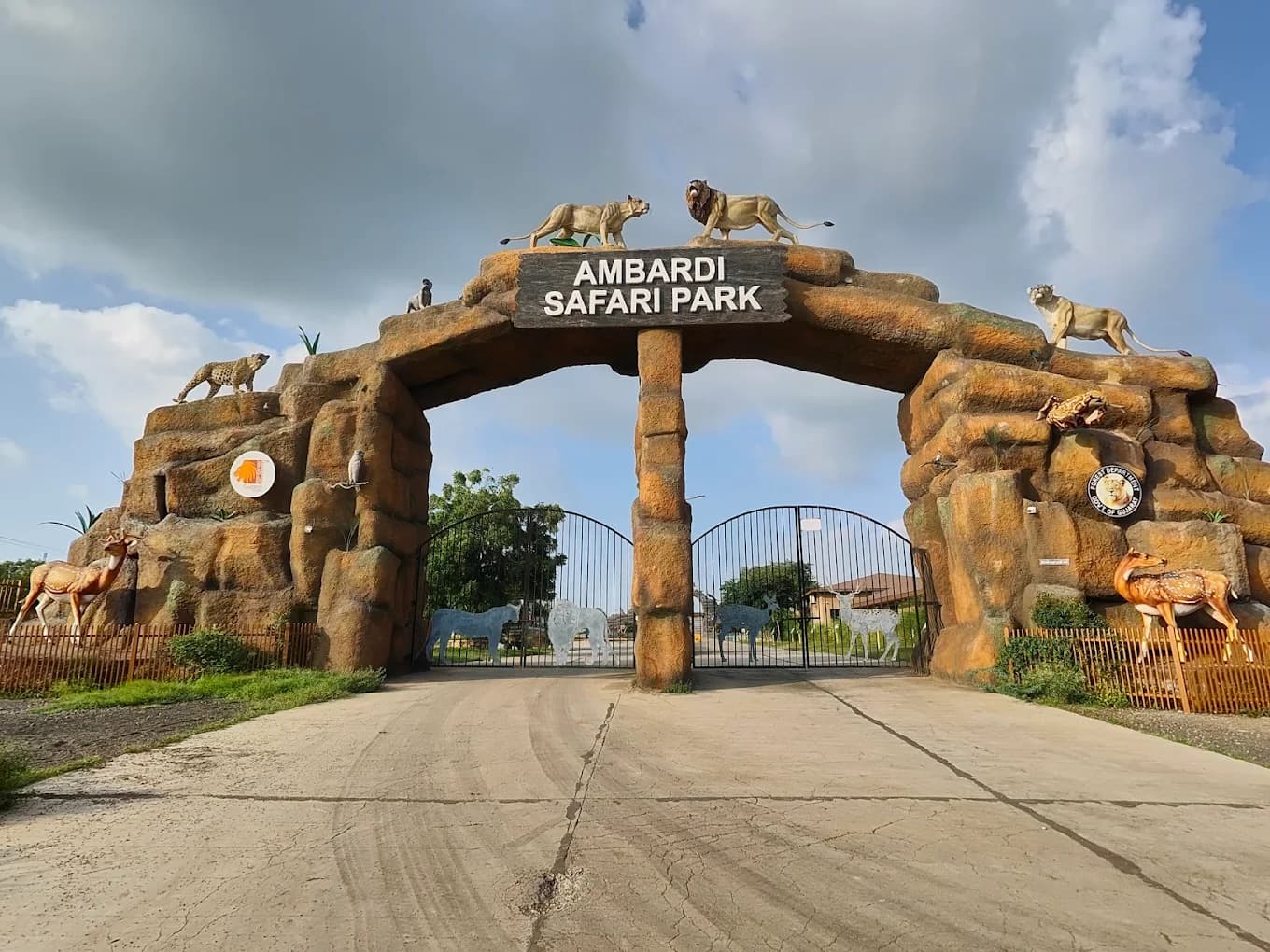
If Devalia is sold out on your dates, Ambardi Safari Park near Dhari offers a similar fenced-zone experience with fewer visitors, about two hours east of Sasan. It suits travellers coming from Bhavnagar, Palitana or Amreli.
The Girnar Nature Safari near Junagadh is another option, with a Gypsy drive through hilly forest below the Girnar peaks. Both need permits and ID in the same way as Devalia.
Booking Devalia with Prakriti Escapes
Prakriti Escapes is a private travel company from Surat. We check slot availability for your dates, submit the permit request with your details, and send you the permit and a clear plan on WhatsApp and email. We can also add a Gir jungle trail, your hotel in Sasan and transfers.
Our service charge is added to the permit charges and shown in full before you pay. Permits can also be booked directly with the forest department — we simply make the process easier and fit it into the rest of your trip.
Experiences & trips in Sasan Gir
- EnquireDevalia Park Gypsy SafariAn open Gypsy drive through Devalia, the Gir Interpretation Zone near Sasan — natural Gir habitat in a fenced area, with good chances of close lion views in under an hour.
- EnquireGir Jungle SafariA three-hour open Gypsy drive with a forest guide through Gir National Park, the last wild home of the Asiatic lion. Look for lions, leopards, deer and over 300 kinds of birds.
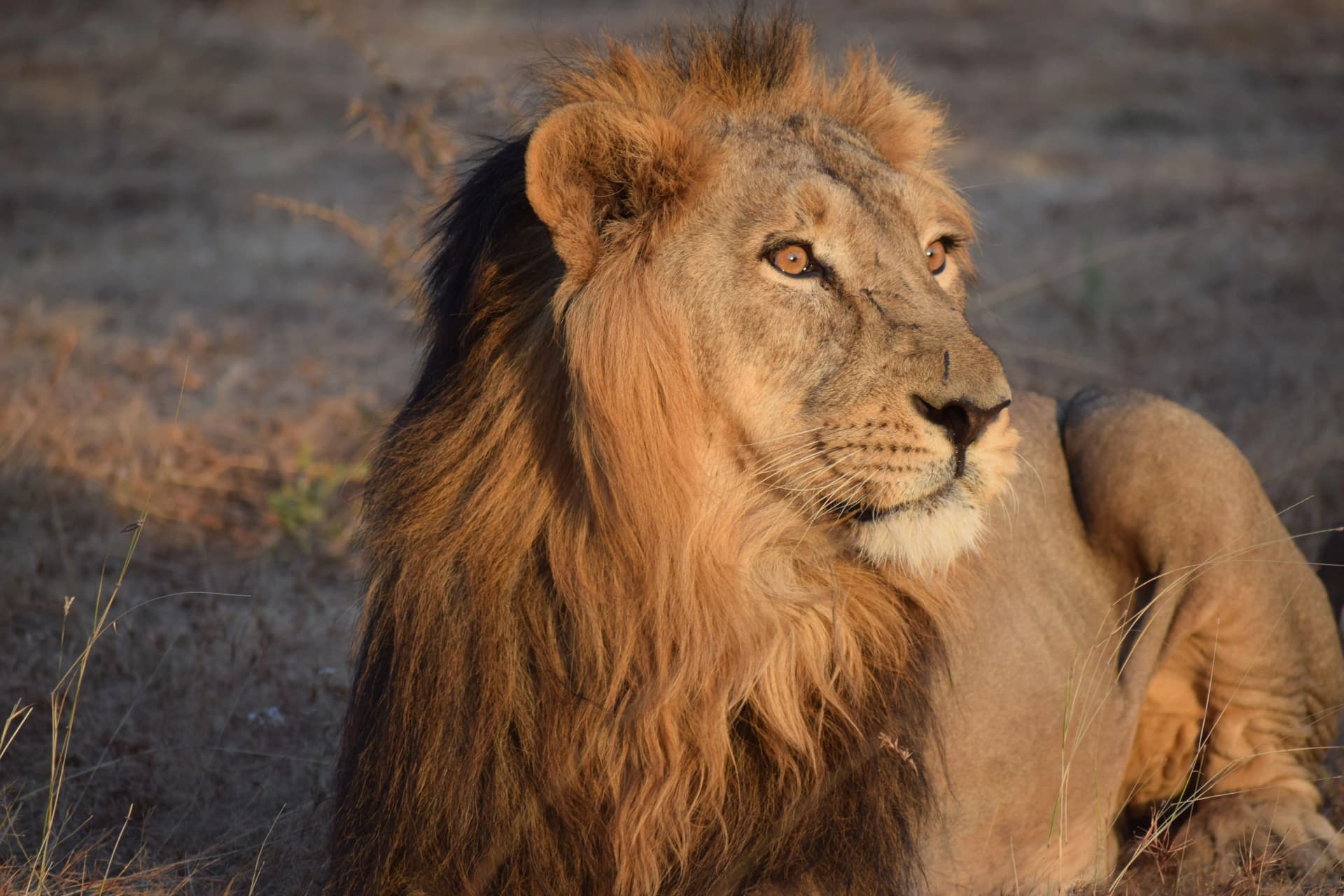 EnquireDevalia Park Bus SafariA covered park-bus ride through Devalia, the Gir Interpretation Zone — the easiest and most economical way to see Gir's lions, ideal for families and seniors.
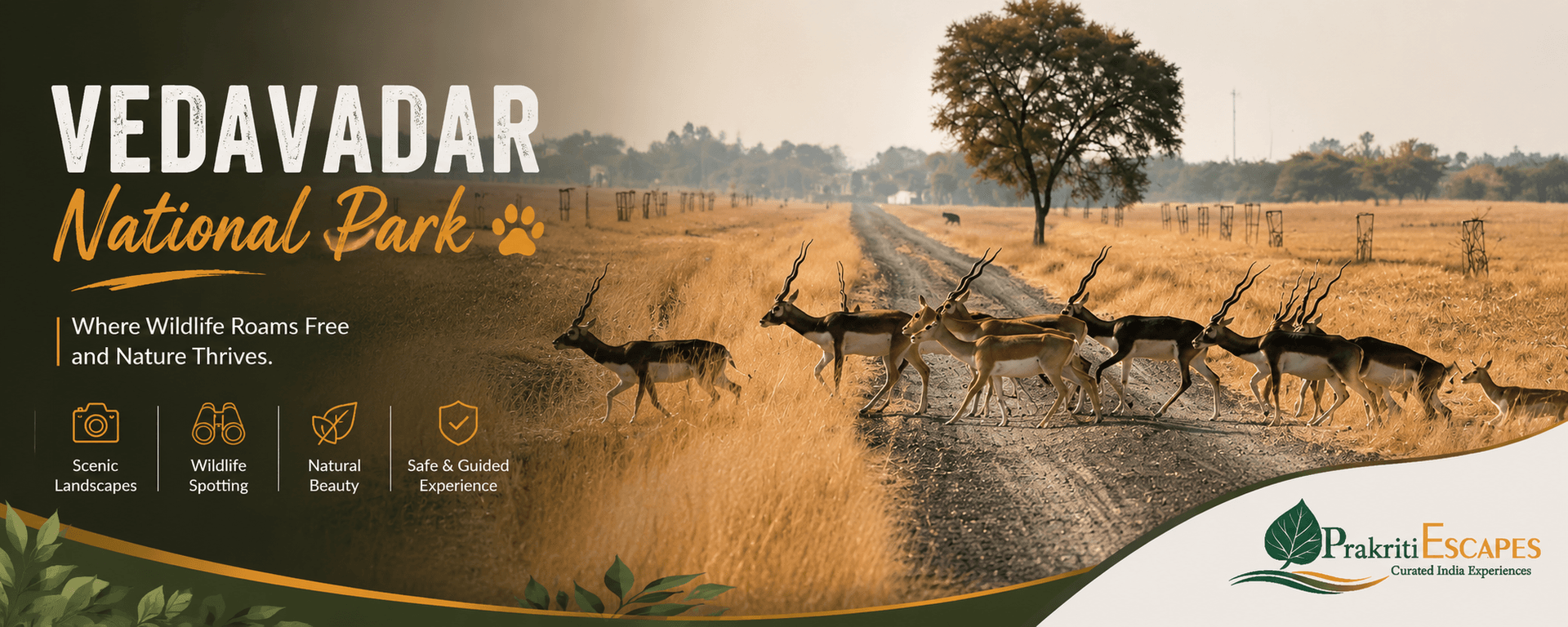 EnquireVelavadar National ParkA grassland safari in Velavadar Blackbuck National Park near Bhavnagar — herds of blackbuck, the elusive Indian wolf and a winter roost of migratory harriers.
 EnquireGirnar Nature SafariA three-hour open Gypsy safari in the hilly Girnar Wildlife Sanctuary beside Junagadh — lions, leopards, vultures on the cliffs and far fewer vehicles than Sasan.
Frequently asked questions
What is the difference between the Devalia Gypsy and bus safari?
Both follow the same circuit. The Gypsy is an open vehicle with a small group and a guide, giving better views and photography. The bus is a larger covered vehicle that is more economical and comfortable for families and seniors.
Which is better at Devalia, Gypsy or bus?
The Gypsy is better for photographers, couples and small groups who want an open-vehicle experience. The bus is better for young children, older travellers, the summer heat and tighter budgets. Your chance of seeing lions is similar in both.
How long is the Devalia safari?
The drive is usually under an hour by Gypsy and a little longer by bus. With reporting and formalities, keep about one and a half to two hours free.
Will I definitely see a lion at Devalia?
No wild experience is guaranteed, but because the area is fenced and compact, most visitors see lions at Devalia. Leopards are seen less often, as they are shy and well camouflaged.
Is Devalia open during the monsoon?
Devalia follows its own calendar and runs during much of the monsoon, when the Gir jungle trail is closed. It also has a weekly closing day and can close briefly after very heavy rain, so check before you go.
Can I book Devalia tickets at the gate?
Spot availability is not reliable, and popular slots sell out in advance. Book ahead with every traveller’s name, age and photo ID number, and carry the original IDs on the day.
How far is Devalia from Sasan Gir?
Devalia is about a 20 to 25 minute drive from Sasan village, so it fits easily into the same day as a morning jungle trail or a trip to Somnath.
Can I take my own car inside Devalia?
No. Only park Gypsies and buses are allowed on the safari circuit. You can drive to the entry gate and park there.
Which Devalia slot is best — morning or afternoon?
The first morning slot and the last afternoon slot usually have the softest light and the most animal movement, which is why photographers prefer them. Late-morning slots are fine for families, but they are hotter in summer and the lions are more likely to be resting in the shade.
Is Devalia good for small children?
Yes. The drive is short, the chance of seeing lions is good and the bus is comfortable for toddlers. Include every child on the permit and keep them seated throughout the drive.
- #devalia safari park
- #devalia gypsy safari
- #devalia bus safari
- #gir interpretation zone
- #sasan gir
- #gujarat wildlife
Written by
Prakriti Escapes Editorial
Prakriti Escapes is a private travel company from Surat, Gujarat. We arrange safaris, stays and trips — and write these guides from the questions our guests ask us most.
Updated 16 Oct 2026
Travel desk
Planning this trip?
Share your dates — we check availability and send options.