Velavadar is nothing like a typical Indian jungle. There are no tall trees or dense thickets — just a vast, flat sea of golden grass stretching towards the Gulf of Khambhat, with herds of blackbuck racing across it. It is one of the best places in India to watch this beautiful antelope, to look for the elusive Indian wolf and, in winter, to see hundreds of harriers drifting in to roost at dusk. This guide explains what makes Velavadar special, when to go, how safaris work and how to fit it into a Gujarat trip.
Why Velavadar is special
Velavadar Blackbuck National Park protects a compact area — around 34 square kilometres — of the Bhal, a low, flat plain on the western shore of the Gulf of Khambhat. Seasonal flooding, salty soil and fierce summer sun keep trees from taking over, so the land stays as open grassland.
That openness is what makes Velavadar so rewarding. You can see animals hundreds of metres away, watch a herd move across the grass as a single body, and follow a harrier quartering low over the ground. Few places in India give you such a clear view of a grassland ecosystem at work, and it feels completely different from the forests of Gir just a few hours away.
From royal grassland to national park
Long before it became a national park, Velavadar was a protected grassland of the princely state of Bhavnagar. Grass reserves like this — known locally as vidis — were kept for fodder and for the rulers’ hunts, and that history of protection is one reason the land survived as open grassland while much of the surrounding plain was turned into fields.
Velavadar was declared a national park in the 1970s to protect its blackbuck. Since then, careful management of the grass and water has helped the herds grow, and the park has become a reference point for grassland conservation in western India — a reminder that grasslands are ecosystems in their own right, not empty land waiting to be planted with trees.
Meet the blackbuck
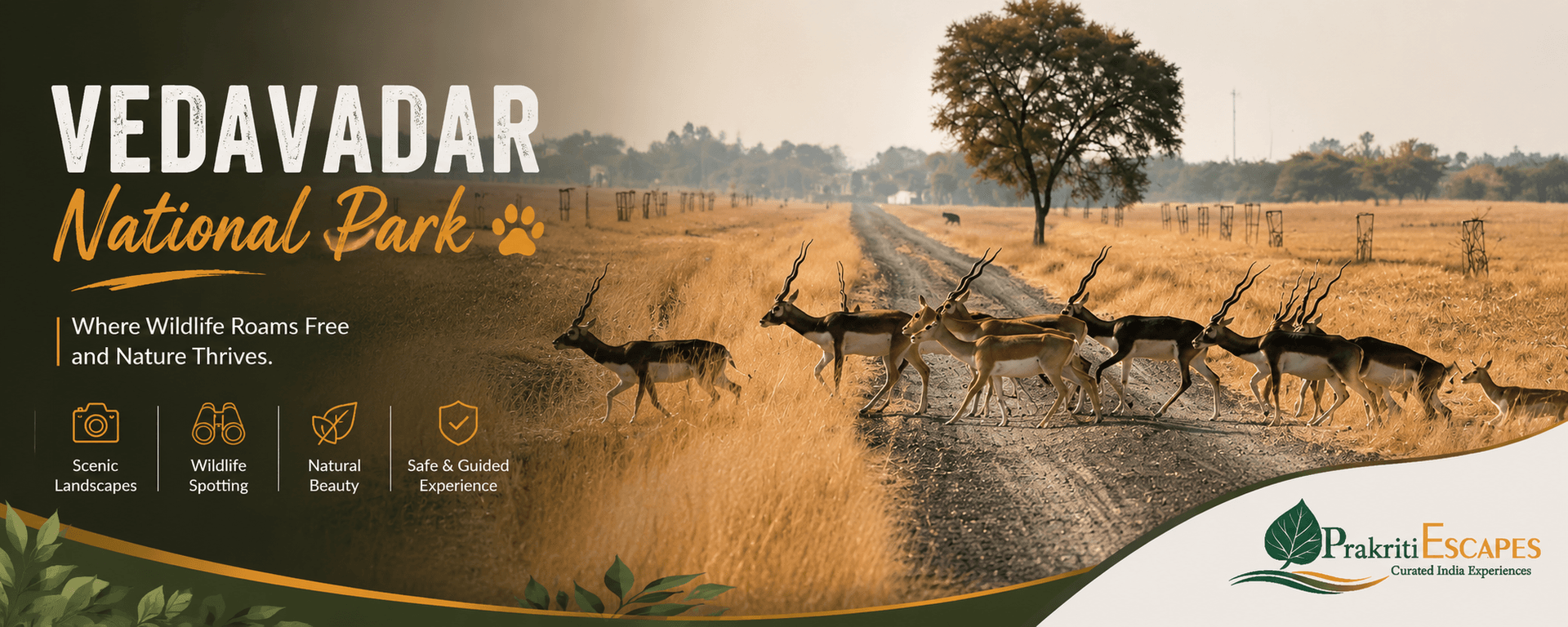
The blackbuck is one of India’s most graceful animals. Adult males are dark brown to almost black above with a bright white belly and eye-ring, and carry long, spiralling horns. Females and young males are a soft fawn colour, and females are usually hornless.
Blackbuck are built for speed and open country. When alarmed, a herd bursts into a series of high leaps before settling into a fast run — a sight you will not forget. They are protected under Indian wildlife law, and Velavadar holds one of the largest and most easily seen populations in the country.
During the breeding season, adult males defend small patches of grassland and display to females with raised heads and curled horns. Watching these displays from a respectful distance is one of the great pleasures of a Velavadar morning.
Looking for the Indian wolf
Velavadar is one of the better places in India to see the Indian grey wolf, a smaller, lighter cousin of the wolves of colder countries. Wolves here hunt in small packs across the grassland and the surrounding farmland, and they are most active in the first and last light of the day.
Sightings are never certain — wolves are wary and range widely — but early-morning safaris give you the best chance. Your guide will scan the edges of grass patches and the bunds between fields, where wolves often rest. If you are lucky enough to see one, stay quiet and still; they move on quickly if disturbed.
Hyenas, jungle cats, foxes and nilgai
Beyond blackbuck and wolves, Velavadar supports a surprising variety of mammals. Nilgai, India’s largest antelope, are common, and wild boar root along the wetter patches. Golden jackals and the small Indian fox are often seen trotting across the grass.
The striped hyena lives here too, though it is mostly nocturnal and seen only occasionally at dawn. Jungle cats hunt rodents in the tall grass, and the open ground makes it a good place to spot them. Keep an eye out for Indian hares, mongooses and, in warmer months, monitor lizards.
The great harrier roost
Every winter, harriers migrate to Velavadar from Central Asia and Europe, and the park becomes one of the largest known harrier roosts in the world. Montagu’s, pallid and western marsh harriers spend the day hunting over the surrounding countryside and return in the evening to sleep on the ground in the tall grass.
Watching them arrive is unforgettable. As the light fades, birds appear from every direction, gliding low and drifting down into the grass, sometimes in large numbers. The best months are roughly November to February. Ask your guide to position you at a respectful distance from the roosting area and stay until the light goes — the show often peaks in the last half-hour.
Other birds to look for
Velavadar is a rewarding place for birdwatchers throughout the season. In winter, look for eagles such as the steppe, imperial and greater spotted eagles, short-eared owls at dusk, and flocks of common and demoiselle cranes in the surrounding fields.
Grassland specialists include larks, pipits, the Indian courser and sandgrouse. The rare lesser florican, a small bustard, comes to the area to breed during the monsoon, when the park itself is closed. Nearby wetlands and the coast of the Gulf of Khambhat hold flamingos, pelicans and waders, so birders often add a coastal stop to their visit.
The Bhal plain around the park
Velavadar is surrounded by the Bhal, a low, almost perfectly flat plain where the land meets the tidal creeks of the Gulf of Khambhat. In the monsoon much of it floods; in summer the ground bakes hard and white patches of salt appear. Farmers here grow hardy crops such as wheat and cotton, and the region is known for its traditional varieties of wheat suited to these conditions.
Wildlife does not stop at the park boundary. Blackbuck, nilgai and wolves move between the grassland and the surrounding fields, which brings both wonder and conflict for local farmers. As you drive in, keep an eye on the fields — you may see your first blackbuck long before you reach the gate.
Conservation challenges at Velavadar
Grasslands are among the most threatened habitats in India, and Velavadar faces its share of challenges. Invasive shrubs, especially Prosopis juliflora, can spread quickly across open ground and crowd out the grass that blackbuck, harriers and floricans depend on. Park managers work to clear it and keep the grassland open.
Outside the park, the conversion of grassland to farms and industry reduces the space available to wolves and other wide-ranging animals. Visitors can help simply by following the rules, staying on the tracks and supporting responsible local businesses — the more value people see in the grassland, the better its future.
Best time to visit Velavadar
- Mid-October to November: the grass is tall and green-gold after the monsoon, and migratory birds begin to arrive.
- December to February: the most popular months — cool mornings, the harrier roost at its best, and good blackbuck and wolf activity.
- March to mid-June: hot, with shorter grass that makes mammals easy to see. Go very early or late in the day.
- Mid-June to mid-October: the park is generally closed for the monsoon, when parts of the grassland flood and wildlife breeds undisturbed.
Season dates can change, so always confirm before you travel.
Morning or evening at Velavadar?
The early morning is the best time for wolves, hyenas and active blackbuck herds. The light is soft and the air is cool, and animals are still moving after the night.
The late afternoon is the time for the harrier roost in winter and for warm, golden light on the grass — ideal for photography. Blackbuck become active again as the heat goes out of the day.
If you can, do both: arrive the day before, take an evening drive for the harriers, stay nearby and go out again at dawn. A safari typically lasts around two and a half to three hours.
Safaris, permits and guides
Visits to Velavadar follow marked tracks across the park, with an entry permit and a local guide. Vehicles carry a small group — usually up to six travellers — and stick to the tracks so that the grassland and its ground-nesting birds are not disturbed.
Entry permits, vehicle and guide charges, and camera fees are set by the forest department and can change, so check the current rules when you plan. Rules on private vehicles have also changed over time; ask in advance rather than assuming you can drive in yourself.
Every traveller should carry an original photo ID. On weekends and holidays the park can be busier, so arrive at the gate early.
How to reach Velavadar
- From Bhavnagar: roughly 40–45 km, about an hour by road. Bhavnagar has an airport with limited flights and a railway station.
- From Ahmedabad: roughly 140–150 km, about three hours by road across the Bhal plain. Ahmedabad has the nearest major airport.
- From Sasan Gir: roughly 220–250 km, about five to six hours via Amreli.
- From Palitana: roughly two hours by road, which makes a combined trip easy.
There is no public transport to the park gate, so hire a taxi from Bhavnagar or Ahmedabad, or include Velavadar in a road trip with a cab and driver.
The roads across the Bhal are flat and mostly good, but they pass through small villages and can flood in places after heavy rain. Fuel up in Bhavnagar or along the highway, and keep offline maps handy, as signal can be patchy near the park.
Where to stay near Velavadar
A small number of lodges and guest houses sit close to the park, and staying at one of them is the best way to enjoy both an evening and a dawn safari without long drives. Book early in winter, as rooms are limited.
Bhavnagar, about an hour away, has a much wider choice of hotels and is a pleasant city in its own right, with the Nilambag Palace, the Takhteshwar temple on its hilltop and the Gaurishankar lake. Staying in Bhavnagar also puts you on the road to Palitana.
If you plan to do an evening and a dawn safari, staying near the park saves you two hours of driving in the dark. If you are visiting only once, a Bhavnagar hotel with an early start works well — leave before sunrise and you will reach the gate as the park opens.
Combine Velavadar with Palitana, Lothal and Gir
Palitana is home to the Shatrunjaya hill, crowned with hundreds of Jain temples reached by a long stone stairway. Pilgrims climb before dawn; the hill is usually closed to climbing during the monsoon months.
Lothal, on the way from Ahmedabad, is one of the most important Harappan sites in India, with the remains of an ancient dockyard and a small museum. It is an easy stop that adds a few thousand years of history to a wildlife trip.
For a full wildlife circuit, continue south-west from Velavadar to Ambardi or Sasan Gir for the Asiatic lion — grassland antelope one day and lions in the forest the next. Read our Sasan Gir safari guide to plan that part.
Photography tips for Velavadar
- Use a long lens. A 150–600 mm or similar zoom helps, as animals are often far out on the grass.
- Shoot low. A low angle from the vehicle makes blackbuck stand out against the sky and grass.
- Watch the light. The first and last hour give warm colour; midday light is flat and hazy.
- Be ready for action. Keep a fast shutter speed set for running herds and leaping males.
- Mind the heat haze. In warmer months, shimmer over the grass softens distant subjects — get closer by waiting for animals to approach rather than chasing them.
Velavadar in 24 hours
- Afternoon: drive in from Ahmedabad or Bhavnagar, stopping at Lothal if you are coming from Ahmedabad. Check in near the park.
- Late afternoon: evening safari for blackbuck in golden light and, in winter, the harrier roost at dusk.
- Dawn: early-morning safari for wolves, hyenas and active herds.
- Late morning: breakfast, then drive on to Palitana, Bhavnagar or towards Ambardi and Sasan Gir.
If you have only a day trip from Bhavnagar, choose the early morning — it gives the best overall wildlife activity.
What to wear and carry
- Earth-coloured clothes and a warm layer for winter mornings, which can be surprisingly cold on the open plain.
- Hat, sunglasses and sunscreen — there is almost no shade.
- Plenty of water and a light snack for after the drive.
- Binoculars — the single most useful thing you can bring.
- Original photo ID for every traveller.
- A scarf or buff to keep dust out on dry days.
Visiting Velavadar with Prakriti Escapes
We plan Gujarat trips that combine Velavadar with Bhavnagar, Palitana, Lothal and the lions of Gir or Ambardi — with hotels, a cab and driver, and help with safari bookings where available. Tell us your dates and interests on WhatsApp and we will suggest a realistic route before you pay anything.
Our service charge is shown in full before you book. Park permits and fees are set by the forest department.
Experiences & trips in Sasan Gir
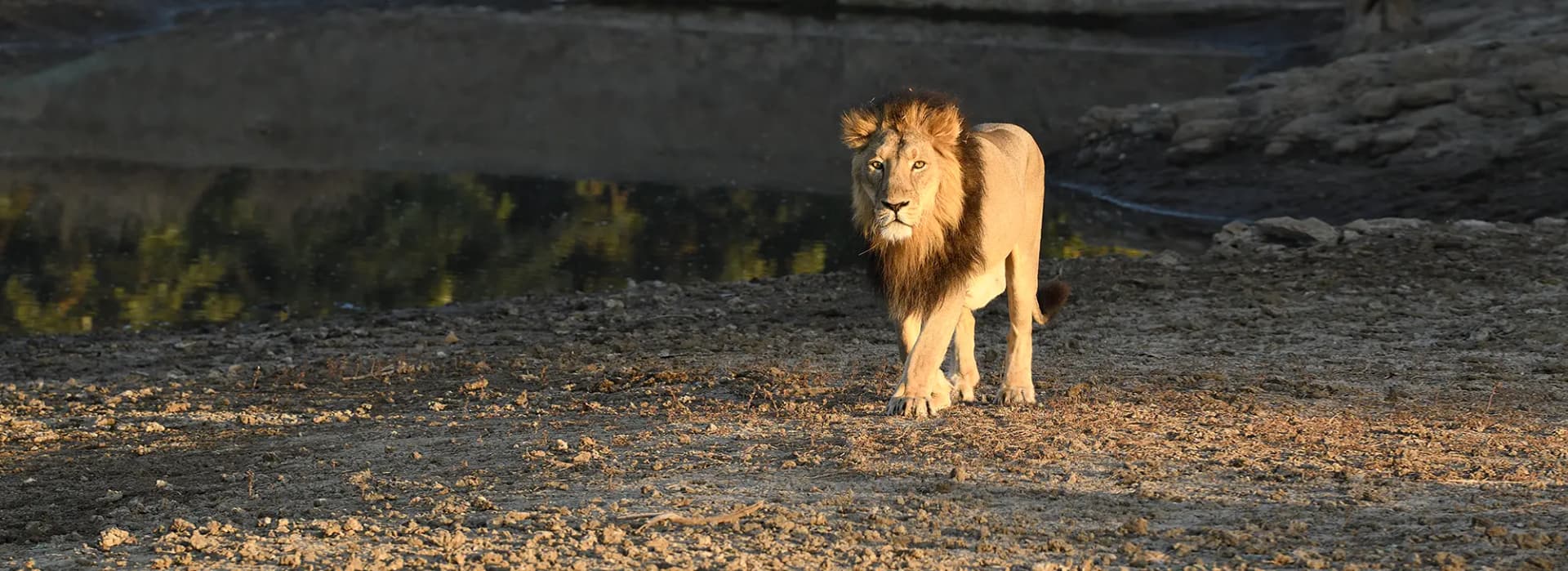
 EnquireVelavadar National ParkA grassland safari in Velavadar Blackbuck National Park near Bhavnagar — herds of blackbuck, the elusive Indian wolf and a winter roost of migratory harriers.
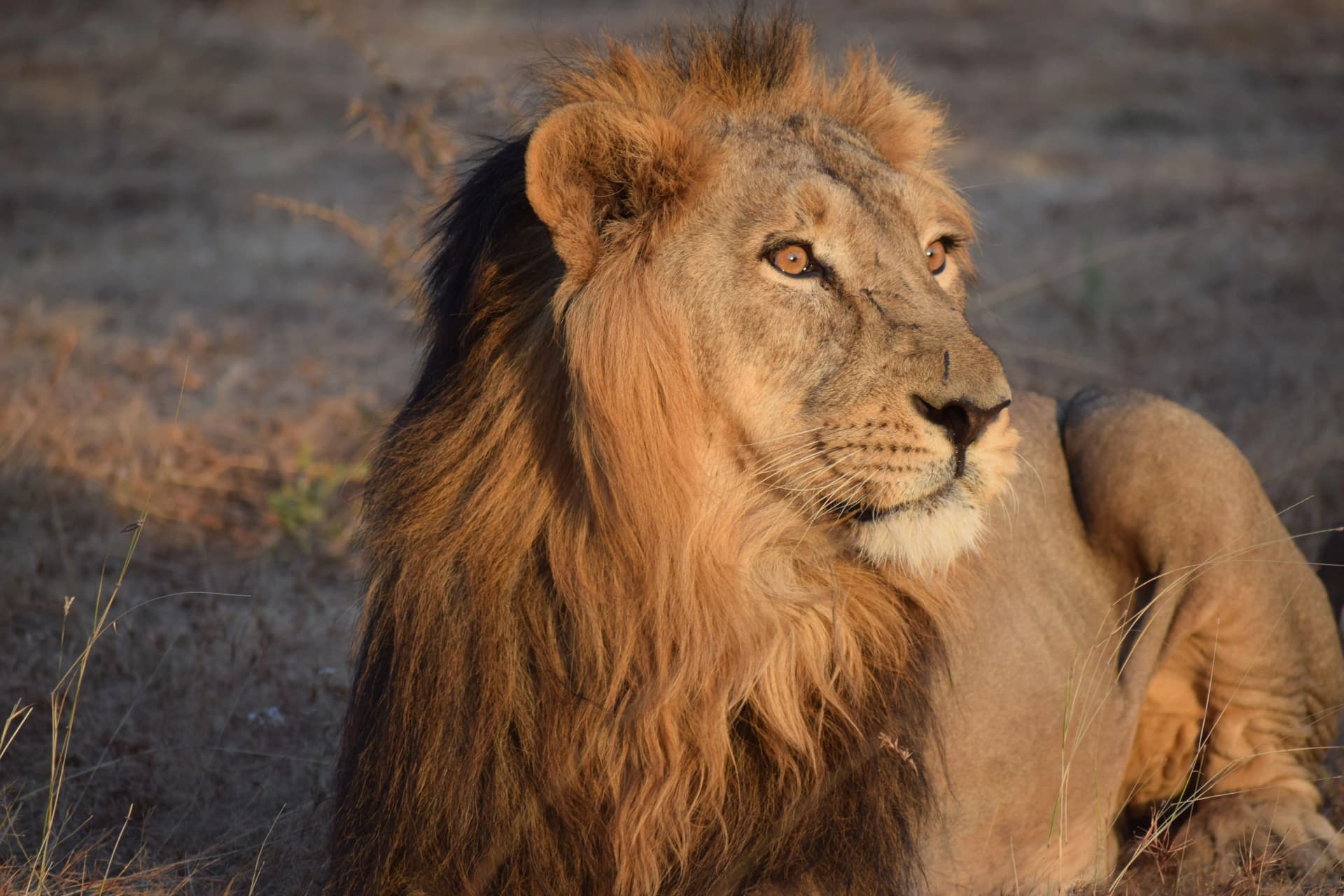
 EnquireGir Jungle SafariA three-hour open Gypsy drive with a forest guide through Gir National Park, the last wild home of the Asiatic lion. Look for lions, leopards, deer and over 300 kinds of birds.
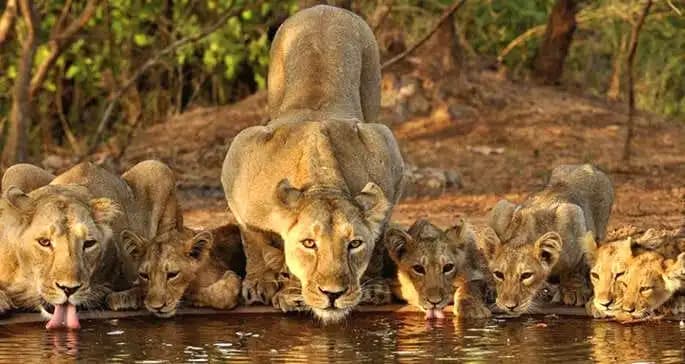
 EnquireDevalia Park Bus SafariA covered park-bus ride through Devalia, the Gir Interpretation Zone — the easiest and most economical way to see Gir's lions, ideal for families and seniors.
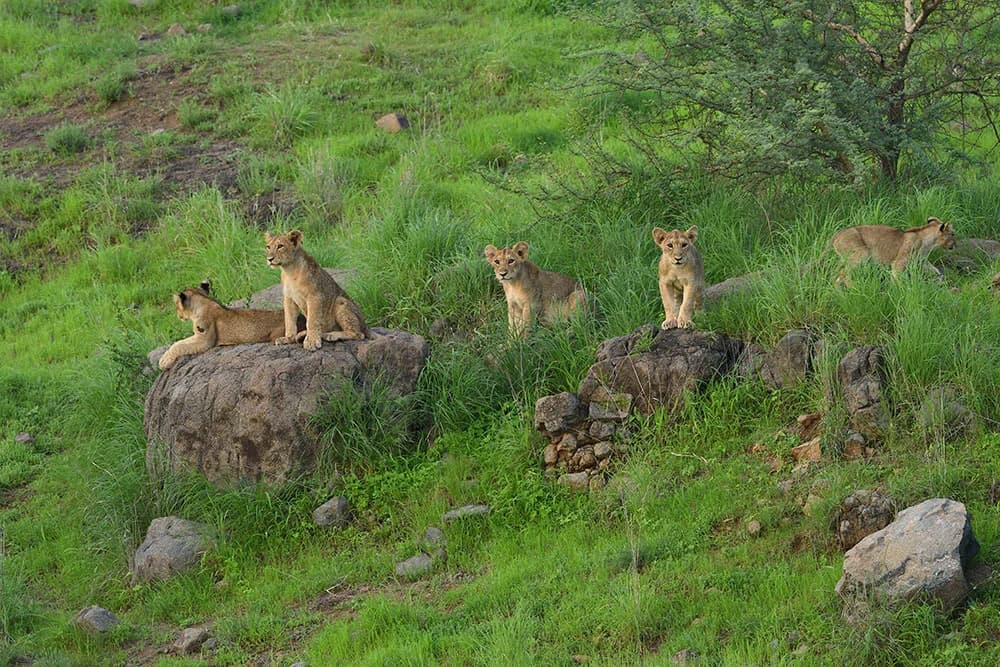
 EnquireDevalia Park Gypsy SafariAn open Gypsy drive through Devalia, the Gir Interpretation Zone near Sasan — natural Gir habitat in a fenced area, with good chances of close lion views in under an hour.
 EnquireGirnar Nature SafariA three-hour open Gypsy safari in the hilly Girnar Wildlife Sanctuary beside Junagadh — lions, leopards, vultures on the cliffs and far fewer vehicles than Sasan.
Frequently asked questions
What is Velavadar National Park famous for?
Velavadar is best known for its large herds of blackbuck on open grassland. It is also one of the better places in India to see the Indian wolf, and in winter it hosts one of the largest harrier roosts in the world.
When is Velavadar National Park open?
The park is generally open from mid-October to mid-June and closed during the monsoon. Season dates can change, so confirm before you travel.
What is the best time to visit Velavadar?
November to February is best for comfortable weather and the winter harrier roost. Early mornings are best for wolves and active blackbuck, and late afternoons for the harriers and golden light.
How far is Velavadar from Bhavnagar and Ahmedabad?
Velavadar is roughly 40–45 km from Bhavnagar (about an hour) and roughly 140–150 km from Ahmedabad (about three hours by road).
Can I see wolves at Velavadar?
It is possible, especially on early-morning safaris, but never guaranteed. Indian wolves are wary and range widely across the grassland and nearby farmland.
How long does a Velavadar safari take?
A safari usually lasts around two and a half to three hours. Many visitors take one in the evening and another the next morning.
Can I combine Velavadar with Sasan Gir?
Yes. Sasan Gir is roughly five to six hours away by road, so many travellers visit Velavadar, then Palitana, then Ambardi or Sasan Gir for the lions over four to six days.
Can I visit Velavadar in my own car?
Rules on private vehicles have changed over time, so check the current rules before you go. In any case, you must stay on the marked tracks, take a guide where required and carry permits and ID for everyone in the vehicle.
When can I see the harrier roost at Velavadar?
Harriers spend the winter at Velavadar, roughly from November to February. They return to roost in the grass at dusk, so take a late-afternoon safari and stay until the light fades.
Is Velavadar the same as the blackbuck park in Rajasthan or Andhra Pradesh?
No. Velavadar Blackbuck National Park is in Bhavnagar district, Gujarat. Blackbuck are also found in other parts of India, but Velavadar is one of the best places to see large herds on open grassland.
Is Velavadar good for children?
Yes. The open grassland makes animals easy to see, and blackbuck herds are exciting for children. Carry water, hats and snacks, as there is very little shade.
- #velavadar national park
- #blackbuck national park
- #bhavnagar
- #indian wolf
- #harrier roost
- #gujarat wildlife
Written by
Prakriti Escapes Editorial
Prakriti Escapes is a private travel company from Surat, Gujarat. We arrange safaris, stays and trips — and write these guides from the questions our guests ask us most.
Updated 14 Oct 2026
Travel desk
Planning this trip?
Share your dates — we check availability and send options.